

KOL vs KOC in China: What's the Difference and When to Use Each
A practical comparison of Key Opinion Leaders (KOLs) and Key Opinion Consumers (KOCs) in China. Covers reach, cost benchmarks, engagement rates, conversion data, platform-specific strategies for Xiaohongshu, Douyin, and WeChat, budget allocation frameworks for market entry, growth, and festival campaigns, plus the emerging KOS category. Includes actionable roadmap for foreign brands.

Warehouse and Fulfillment Options for China E-Commerce
A practical comparison of warehouse fulfillment options for China e-commerce: bonded warehouses for CBEC, domestic warehouses via a WFOE, direct international shipping, and 3PL providers. Learn how each model affects delivery speed, cash flow, compliance, returns, and your path from market test to scalable operations.

Hiring a China Marketing Agency vs Building an In-House Team
Agency: faster ramp-up, broader expertise, scalable, but less brand immersion. In-house: deeper brand knowledge, dedicated focus, but slow to build, expensive in China. This guide compares ramp-up timelines, platform expertise, and brand control — with a practical hybrid model recommendation.
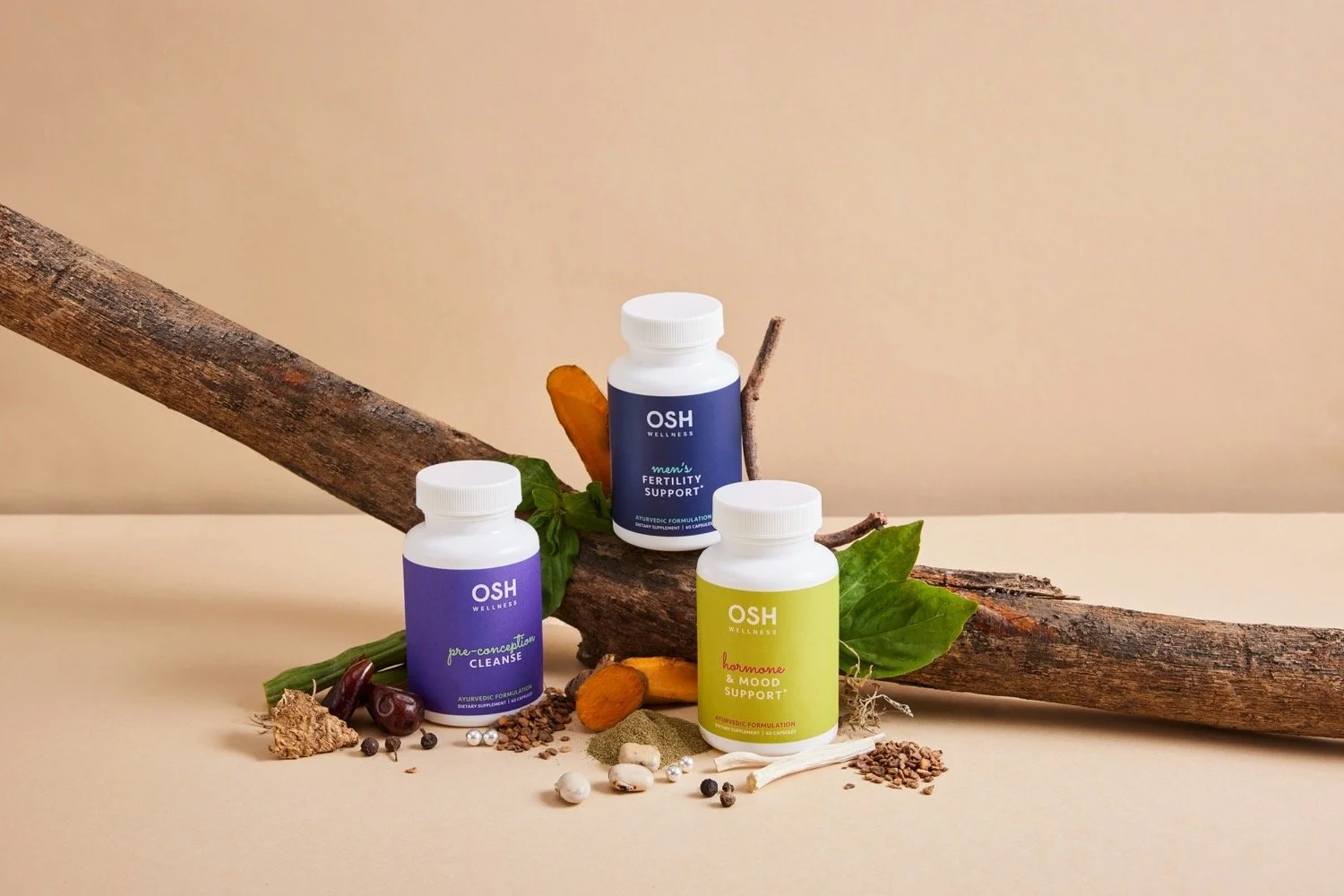
Health and Dietary Supplements in China: Why Foreign Brands Have a Trust Advantage That Won't Last Forever
China's health supplement market is just 36% the size of America's and half the size of Europe's, despite having a larger population than both combined. But it's growing faster than either, driven by an aging population and a younger generation adopting dietary supplements for performance and wellness.
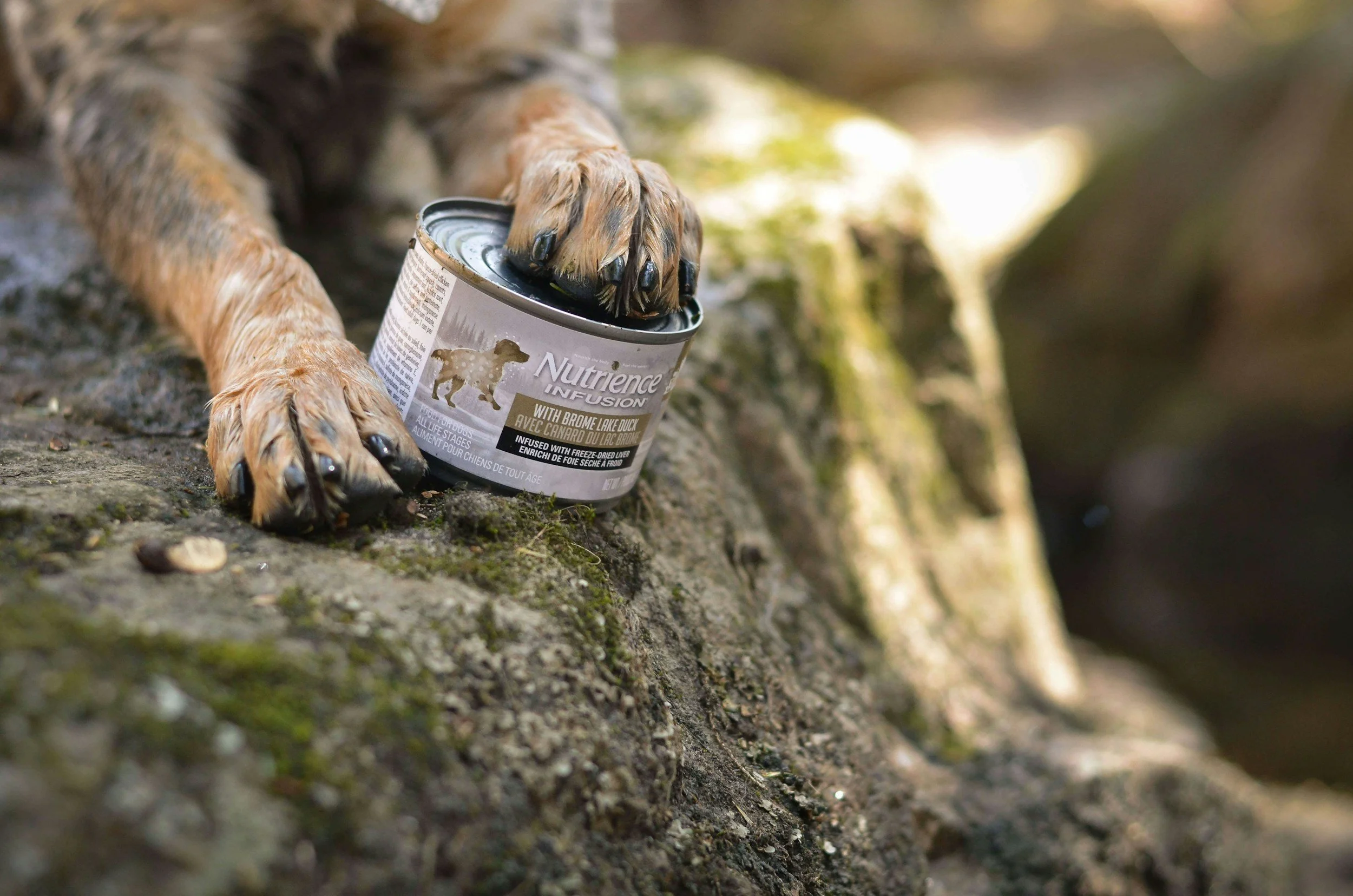
How to Market Pet Products on Xiaohongshu and Douyin
Pet content is among the most viral categories on both Xiaohongshu and Douyin, with over 300 billion views on Douyin alone. This tactical guide covers content formats, KOC seeding strategies, hashtag playbooks, ad formats, compliance rules, budget benchmarks, and livestream sales tactics for foreign pet brands entering China through social commerce.
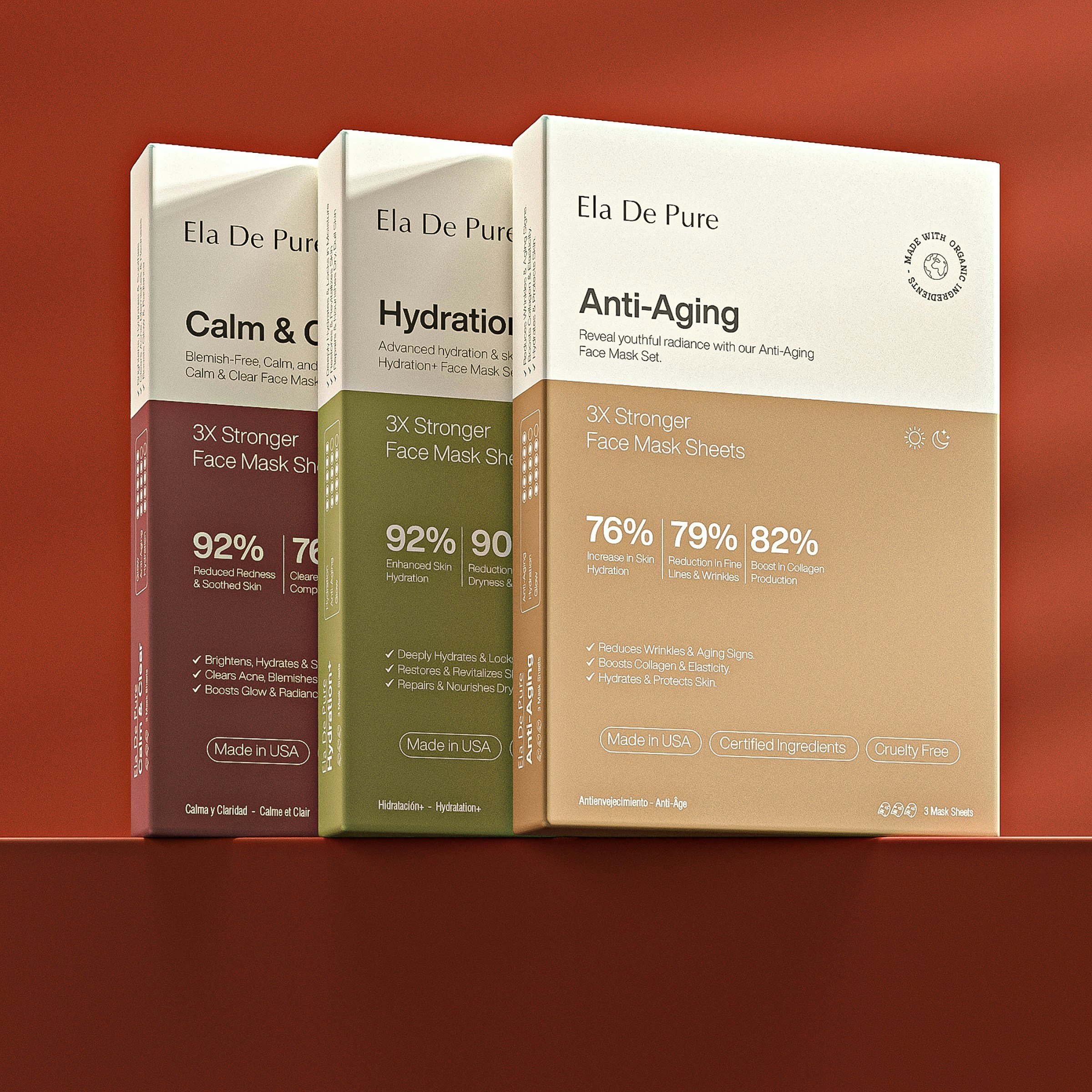
China E-Commerce for Food and Supplement Brands: Complete Regulatory Guide
Comprehensive regulatory guide for foreign food and supplement brands entering China via cross-border e-commerce. Covers the CBEC positive list, Blue Hat registration vs. filing, NMPA and SAMR requirements, ingredient restrictions, Chinese labeling standards , health claims limitations, and testing requirements.
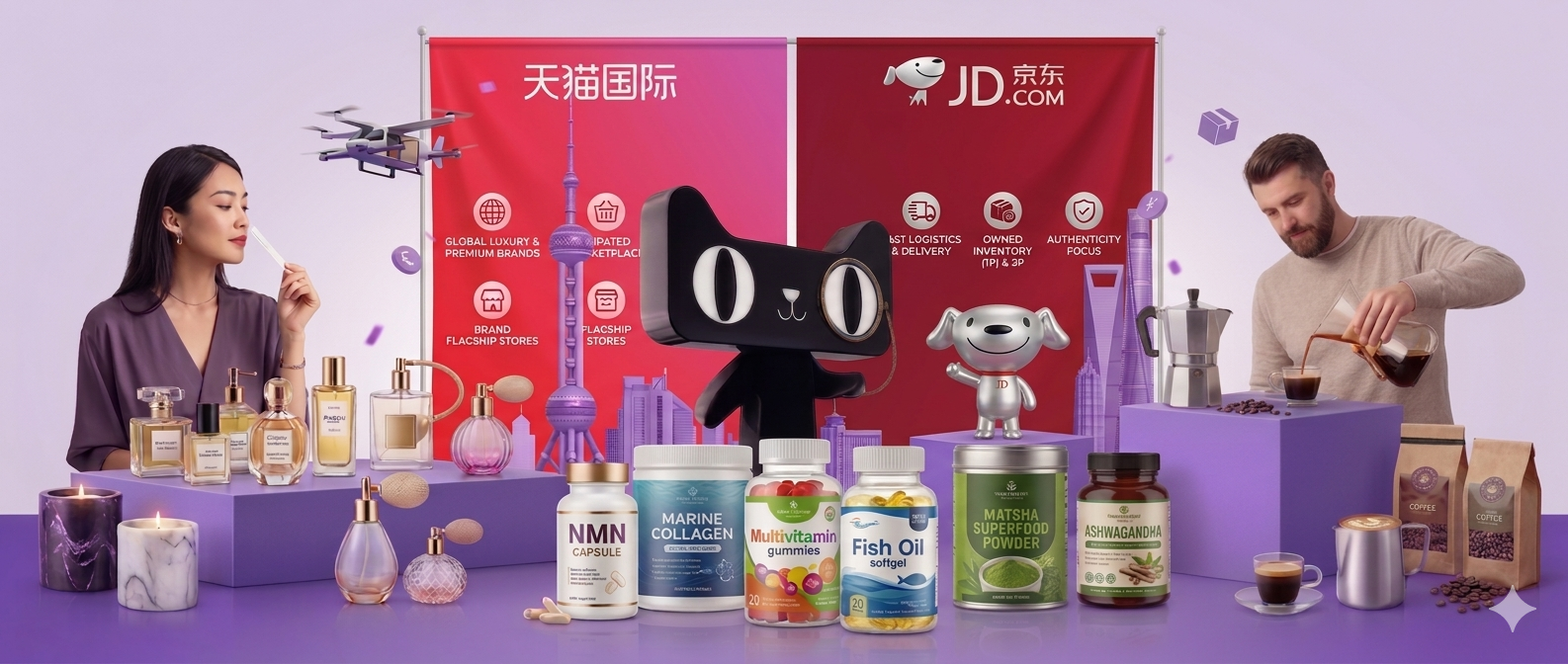
Tmall vs JD: Which E-Commerce Platform Is Right for Your Brand?
Choosing between Tmall and JD is one of the most important decisions foreign brands make when entering China's e-commerce market. This guide compares the two dominant platforms across market share, audience demographics, fee structures, logistics, product categories, advertising tools, and cross-border options. Includes category-by-category recommendations.

Tourism Marketing in China: The Complete Guide for Destinations
Chinese outbound tourism hit 145 million trips in 2024 and is projected to reach 170 million by 2026. This guide explains how national tourism boards, city DMOs, and attractions can market to Chinese travelers using the platforms they actually use — WeChat, Xiaohongshu, Douyin, Weibo, Mafengwo, and Ctrip. Covers platform strategy, KOL campaigns, OTA partnerships, content localization, and budgeting.
Health Supplement Market in China: What's Selling and Why
China's health supplement market exceeded RMB 387 billion in 2023 and continues to grow at double-digit rates. This guide covers top-selling categories, consumer trends, regulatory pathways including CBEC and Blue Hat, platform strategies on Tmall Global and JD, and what foreign supplement brands need to succeed.
Cross-Border E-Commerce (CBEC) in China: How It Works for Foreign Brands
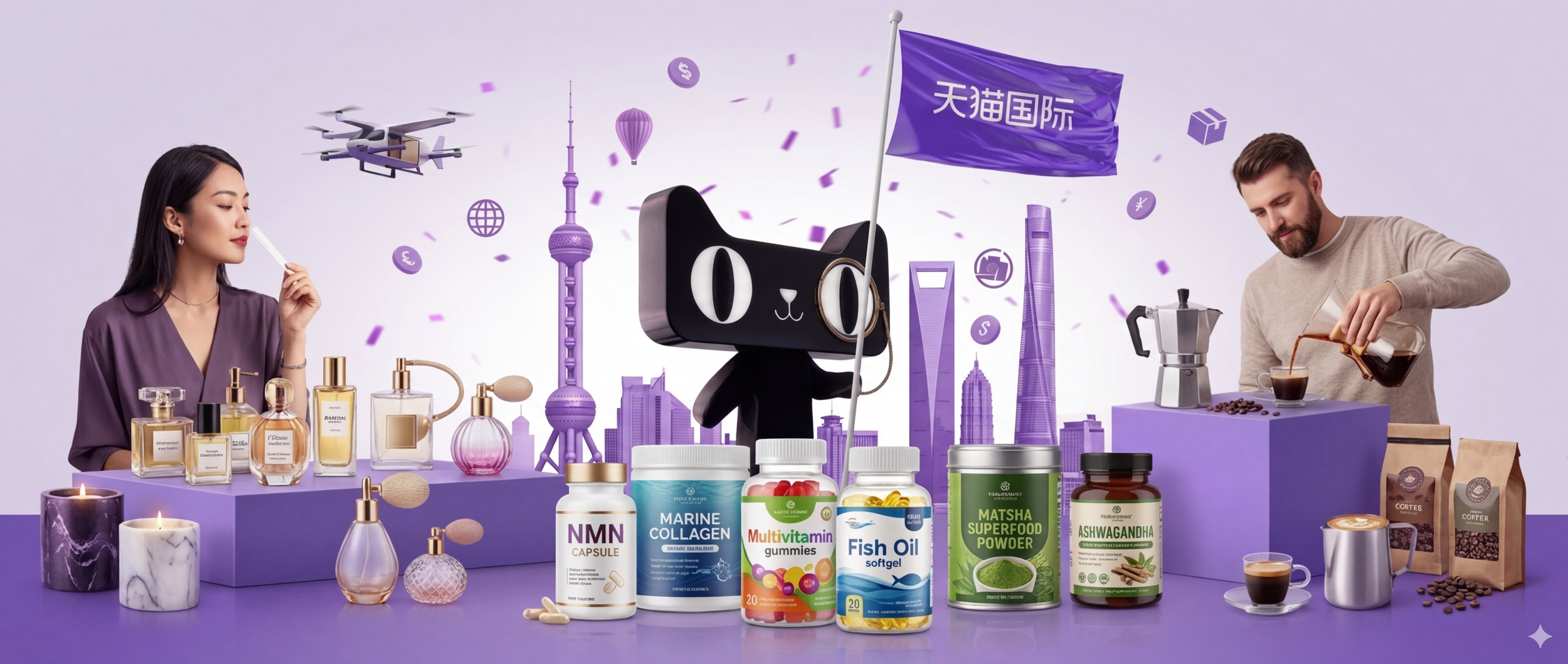
Cross-border e-commerce (CBEC) is the most accessible way for foreign brands to sell directly to Chinese consumers without a local entity. This guide explains bonded warehouses, direct shipping, the preferential tax structure, the positive list, platform options including Tmall Global and JD Worldwide, logistics, regulatory compliance, and a step-by-step setup process.

Fragrance Market in China: Growth Drivers and Entry Strategy
China's fragrance market is the fastest-growing beauty segment, with 13.4% CAGR from 2020 to 2025. This guide covers market size, consumer behavior, platform strategy, CBEC entry, KOL marketing, and what foreign perfume brands need to succeed in China's evolving scent economy.
Tmall Cross-Border vs. Domestic — Explained in 5 Short Videos
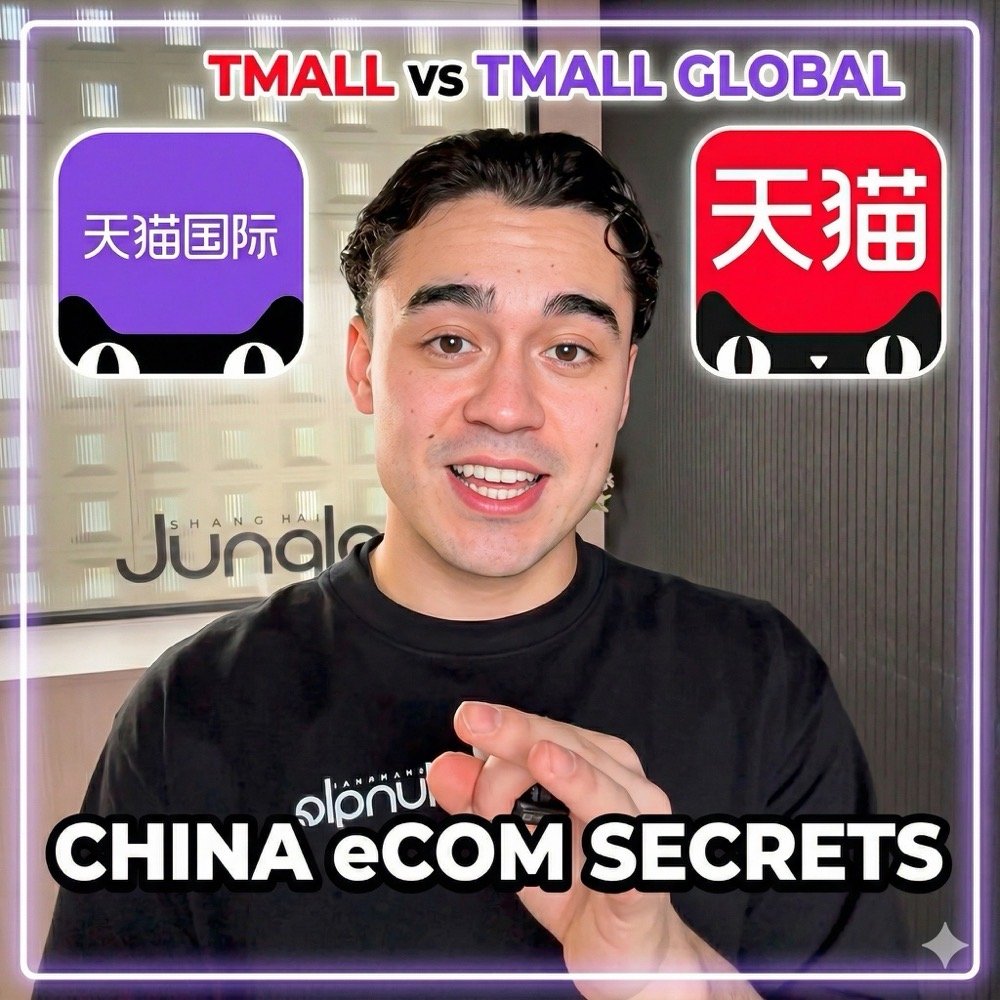
Should your brand sell cross-border or domestic on Tmall? This video series breaks down the key differences — from regulatory requirements and logistics to trademark needs and long-term strategy. Watch all five episodes from Shanghai Jungle, a Tmall Partner based in Shanghai.
China E-Commerce for Beauty Brand Founders: From Zero to Tmall
Complete journey map for foreign beauty brand founders entering China's $159 billion cosmetics market. Covers CBEC vs NMPA registration paths, Tmall Global store setup, Xiaohongshu and Douyin content strategy, KOL and KOC marketing, realistic timelines from 2–4 months (CBEC) to 12–24 months (domestic), budget expectations, and common mistakes.

Men's Skincare in China: A Fast-Growing Segment for Foreign Brands
China's men's skincare market exceeded 20 billion yuan in 2023 and keeps growing at double-digit rates. This guide covers Gen Z consumer preferences, the competitive landscape between foreign brands and rising C-beauty players, platform strategy on Douyin, Bilibili, and Xiaohongshu, marketing through gaming and fitness KOLs, and CBEC entry for foreign men's skincare brands.
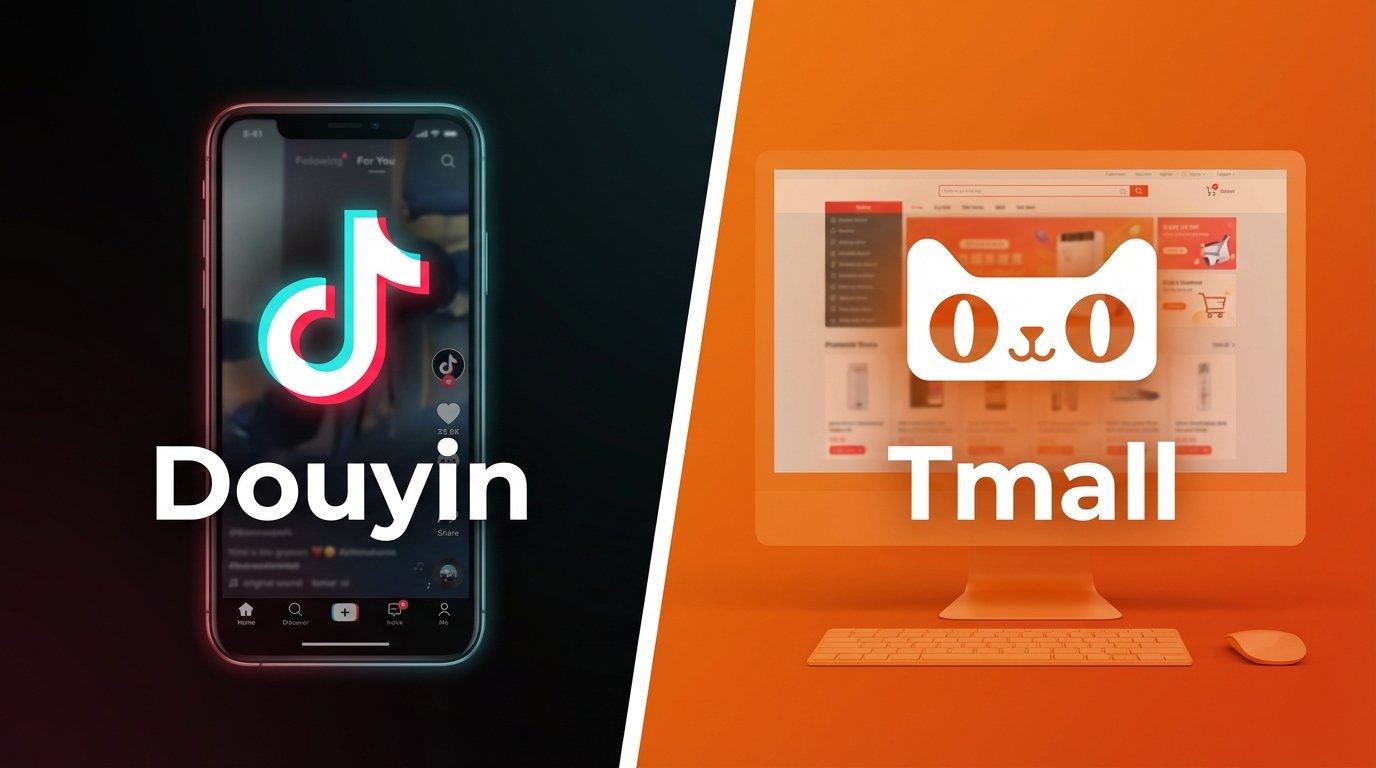
Should I Launch on Douyin or Tmall First?
Should you launch on Douyin or Tmall first? The answer depends on your product type, content capability, budget, and timeline. This guide provides a structured decision framework for foreign brands entering China. Tmall Global suits brands with established products and search demand. Douyin suits visually compelling products with strong content potential. Most foreign brands should start with Tmall Global.
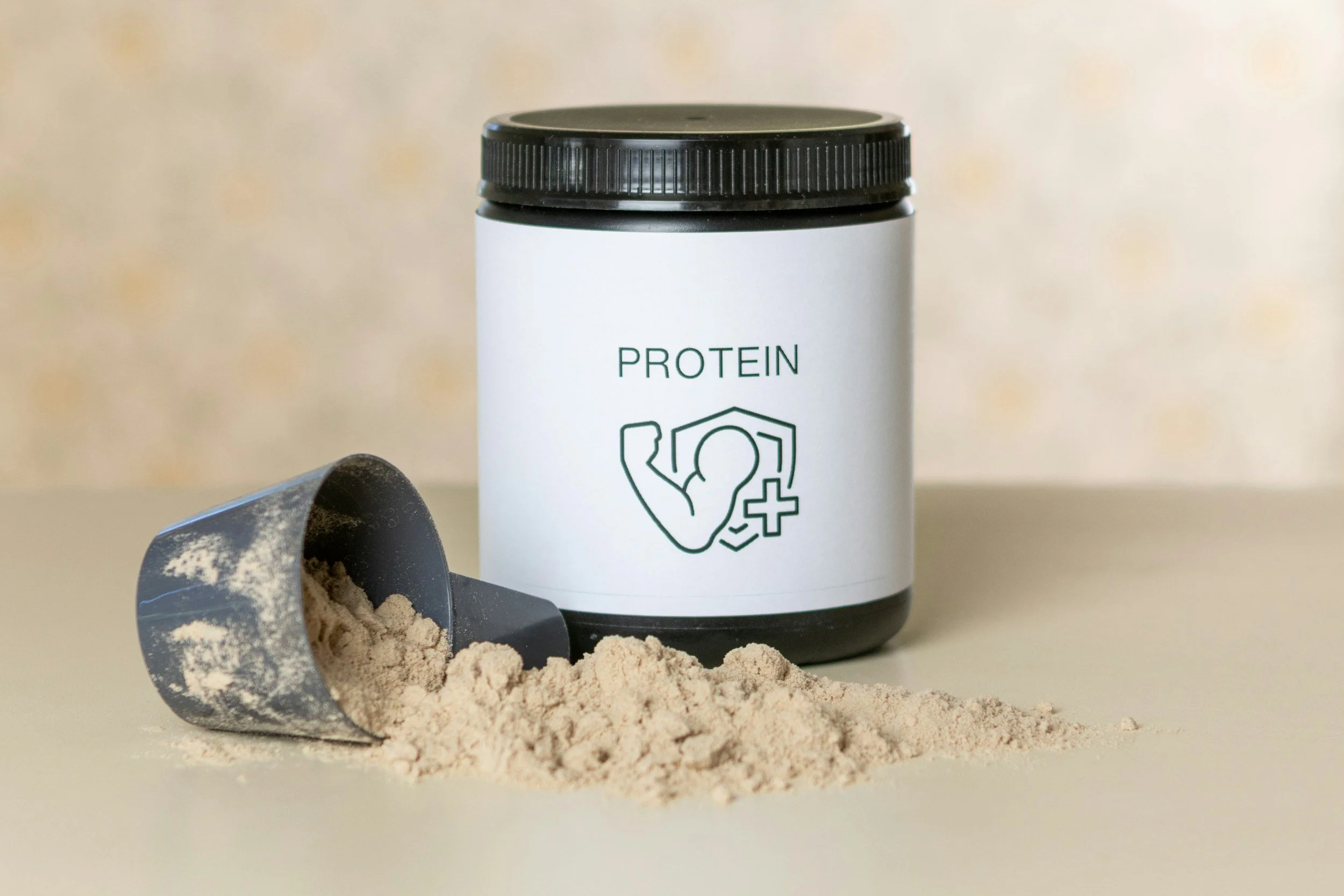
Protein Powder and Sports Nutrition in China: Demand and Channels
China's sports nutrition market reached $3.1 billion in 2025 and is growing at 13.5% annually. This guide covers key e-commerce channels including Tmall Global, JD Health, and Douyin, cross-border regulatory paths for foreign brands, the competitive landscape between international and domestic players, and positioning strategies for protein powder and sports nutrition products entering China.

How We Create Content for Chinese Social Media and E-Commerce
Learn how Shanghai Jungle creates native Chinese content for platforms like Little Red Book (Xiaohongshu), WeChat, Douyin, and Tmall. From content planning to publishing, we handle the full process so brands can focus on their business.

B2B Marketing in China: The Complete Guide for Foreign Companies
China's B2B digital ecosystem runs on entirely different platforms than the West. LinkedIn, Google, and email marketing are either blocked or ineffective. This guide covers the channels that actually work for foreign manufacturers and industrial companies — WeChat Official Accounts, Baidu SEO through PR placement, China-hosted websites, and content strategy. Includes a channel framework and a launch roadmap.
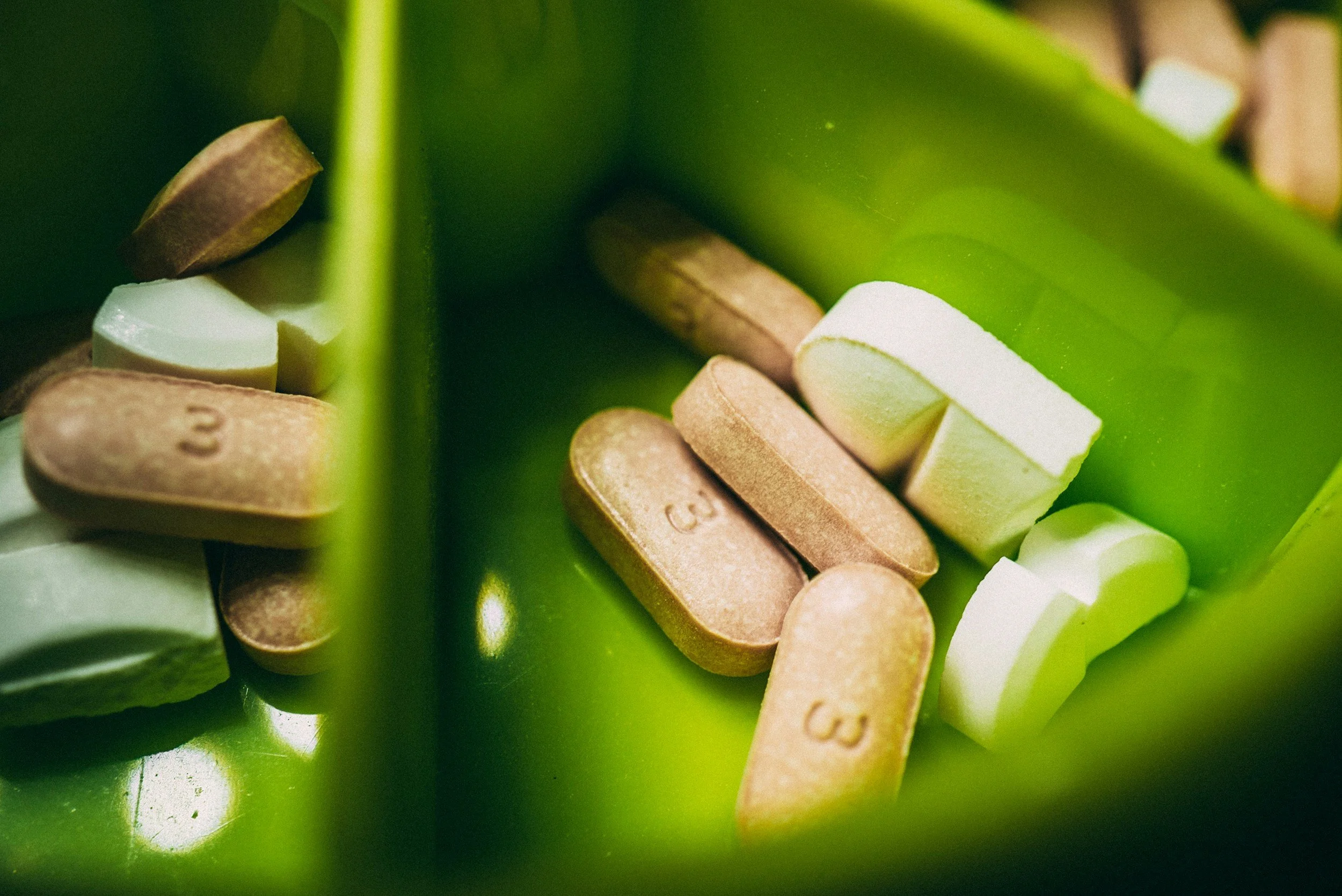
How to Market Health Supplements on Xiaohongshu
Marketing health supplements on Xiaohongshu requires a specific approach — from health claim restrictions to choosing the right KOC seeding strategy. Covers content formats that drive supplement sales, influencer selection, Pugongying ad tactics, search optimization, and budget benchmarks for foreign supplement brands entering China.

When to Drop Your China Distributor and Go Direct
Most foreign brands enter China through a distributor — fast and low-risk, but over time the model becomes a ceiling. This guide covers 7 warning signs your distributor relationship has run its course, what you're losing in margins and data, the three direct-selling models (CBEC, WFOE, agency-operated), and a phased 12-month transition plan.