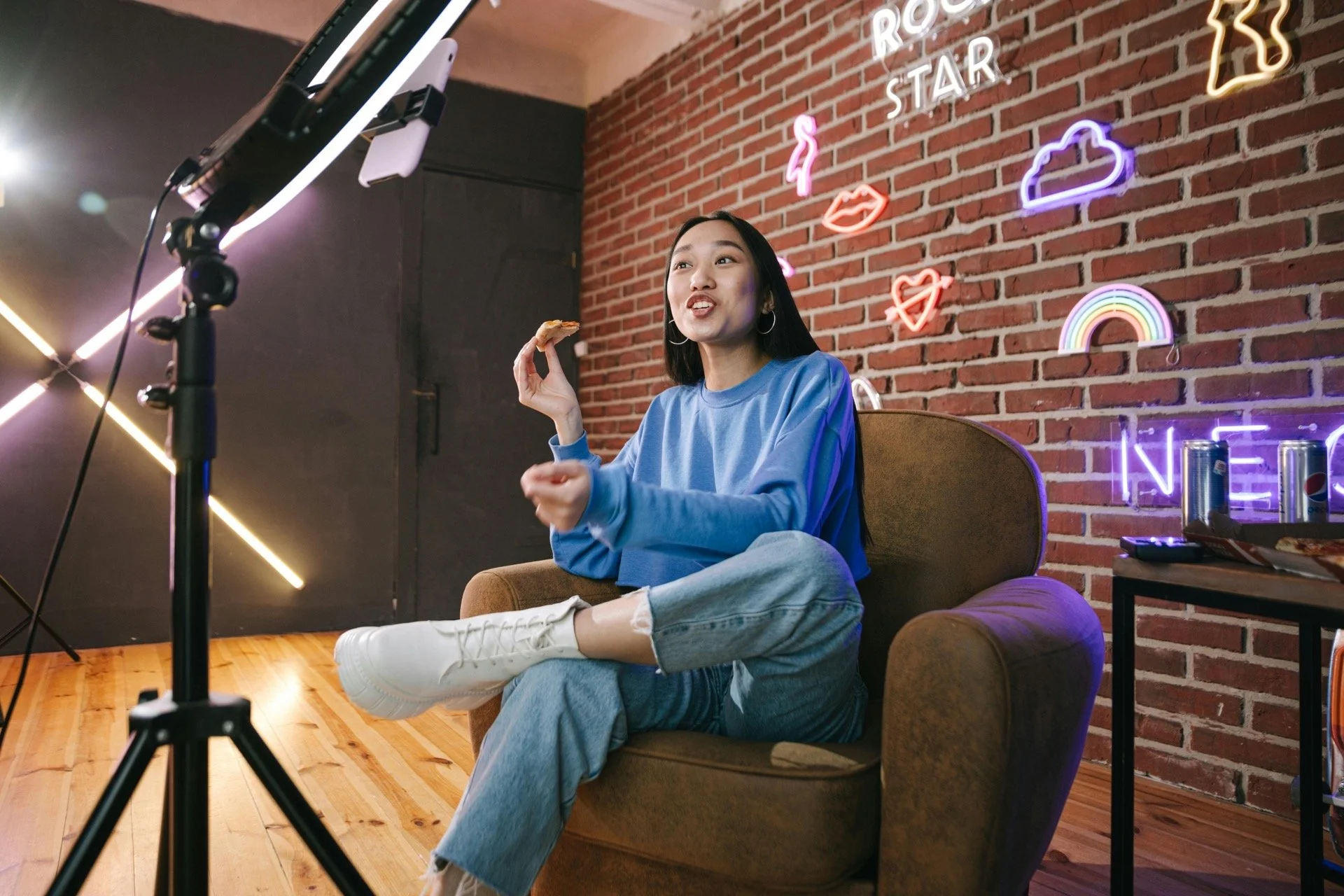
China Influencer
Marketing That
Converts
KOL and KOC campaigns across all major Chinese platforms — planned, vetted, and executed by our team in Shanghai.
Influencer marketing is the primary driver of sales growth in China
The Western concept of "influencer" splits into two distinct categories in China: KOLs (Key Opinion Leaders) with massive reach, and KOCs (Key Opinion Consumers) with smaller but deeply engaged followings. The most effective campaigns combine both.
Shanghai Jungle manages the full influencer marketing process — from identifying the right creators and verifying their data, to briefing, content review, live-stream coordination, and performance reporting. We work across all major Chinese platforms and handle every step from our Shanghai office.
Two types of influence, two different roles
Understanding the China-specific labels KOL and KOC — and the distinction between them — is essential for planning campaigns that actually deliver results.
Key Opinion Leaders
KOLs have large followings and significant influence in their content field. They often work with professional production teams and can generate massive brand awareness with a single post. They are essential for product launches, shopping festival campaigns, and live-stream selling events.
Key Opinion Consumers
KOCs are everyday consumers who share personal reviews and product recommendations. Their content feels less polished and more real — which is exactly why it works. When Chinese consumers search for a product on Little Red Book (Xiaohongshu), KOC reviews are often the deciding factor. They build grassroots credibility that KOLs alone cannot create.
Where influencer marketing happens in China
Each platform has its own content format, audience profile, and influencer ecosystem. Choosing the right platform mix depends on your product, target audience, and campaign goals.

Examples of our work
From large-scale branding campaigns filmed on location to sales-driven influencer collaborations — here is what our campaigns look like in practice.
How we run influencer campaigns
Every campaign follows a structured process. Here is what it looks like when you work with us — from briefing to final report.
What influencer campaigns cost in China
Influencer fees vary by platform, follower count, engagement rate, and content format. Here is a realistic overview of what to expect across different tiers.
KOC Seeding
Cost-effective way to build a search presence on Little Red Book (Xiaohongshu). KOCs create authentic product reviews in exchange for free samples and a small fee. Ideal for building the foundation of product discovery and social proof.
Mid-Tier KOLs
The sweet spot for most foreign brands. Mid-tier KOLs combine meaningful reach with strong engagement and authentic content. They drive both traffic and conversions without the premium pricing of top-tier creators.
Top-Tier KOLs
High-impact creators for major product launches, shopping festival campaigns, and large-scale brand awareness. Top-tier KOLs deliver massive reach and often work with professional production teams. Live streamers in this tier can generate substantial sales in a single session.
The majority of influencers in China inflate their numbers
This is not an exaggeration. Fake followers, fake views, fake likes, fake comments — all of it can be purchased cheaply and at scale in China. Since influencer fees are directly tied to these numbers, the incentive to inflate them is enormous, especially among small and mid-tier creators.
The danger is that these fake influencers can produce great-looking content, and the numbers on the surface appear impressive. But the audience is not real, the engagement is not real, and the results will simply not come. If you do not spend the time analyzing the data carefully — and not just at the surface level — you will end up spending a lot of money with nothing to show for it.
Read our detailed breakdown of how fake engagement works and how we analyze influencer data: How to Pick Influencers That Deliver Results →
- Follower authenticity — verified using data analysis tools and manual review
- Engagement patterns — checked for signs of purchased interactions
- Audience demographics — cross-referenced against your target consumer
- Past performance — reviewed for actual conversion data and campaign results
- Zero tolerance — influencers who do not pass are rejected, regardless of quoted reach
Vetted
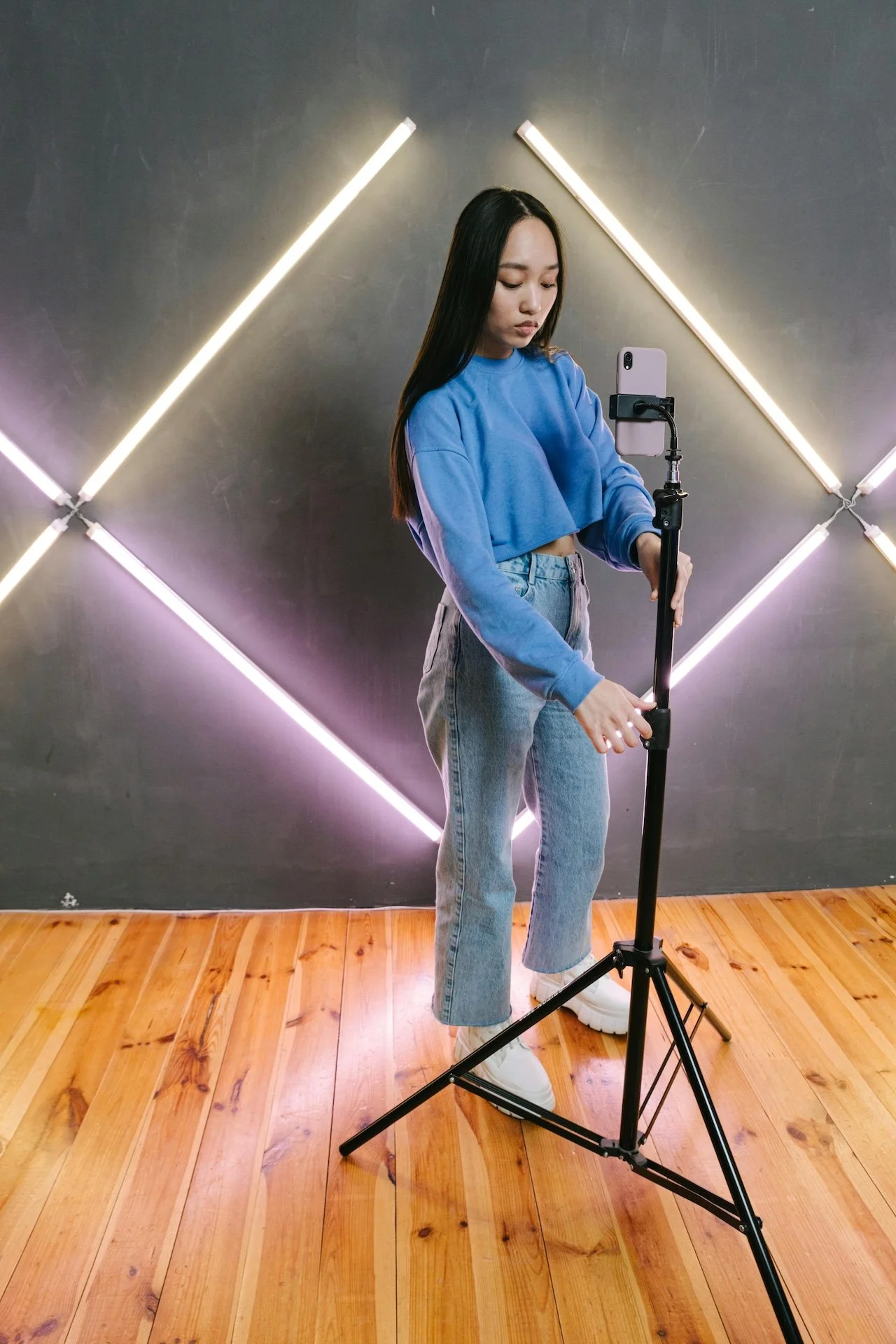
in Shanghai
What makes our influencer marketing different
Chinese digital platforms
Platform-by-platform guides for foreign brands — covering e-commerce marketplaces, social networks, and content platforms in China.
What Is Tmall?
China's premium B2C marketplace — how it works, who shops there, the difference between Tmall and Tmall Global, and what foreign brands need to get started.

What Is JD.com?
China's logistics-first marketplace — how JD compares to Tmall, its self-operated model, JD Worldwide for cross-border sellers, and when brands choose JD.
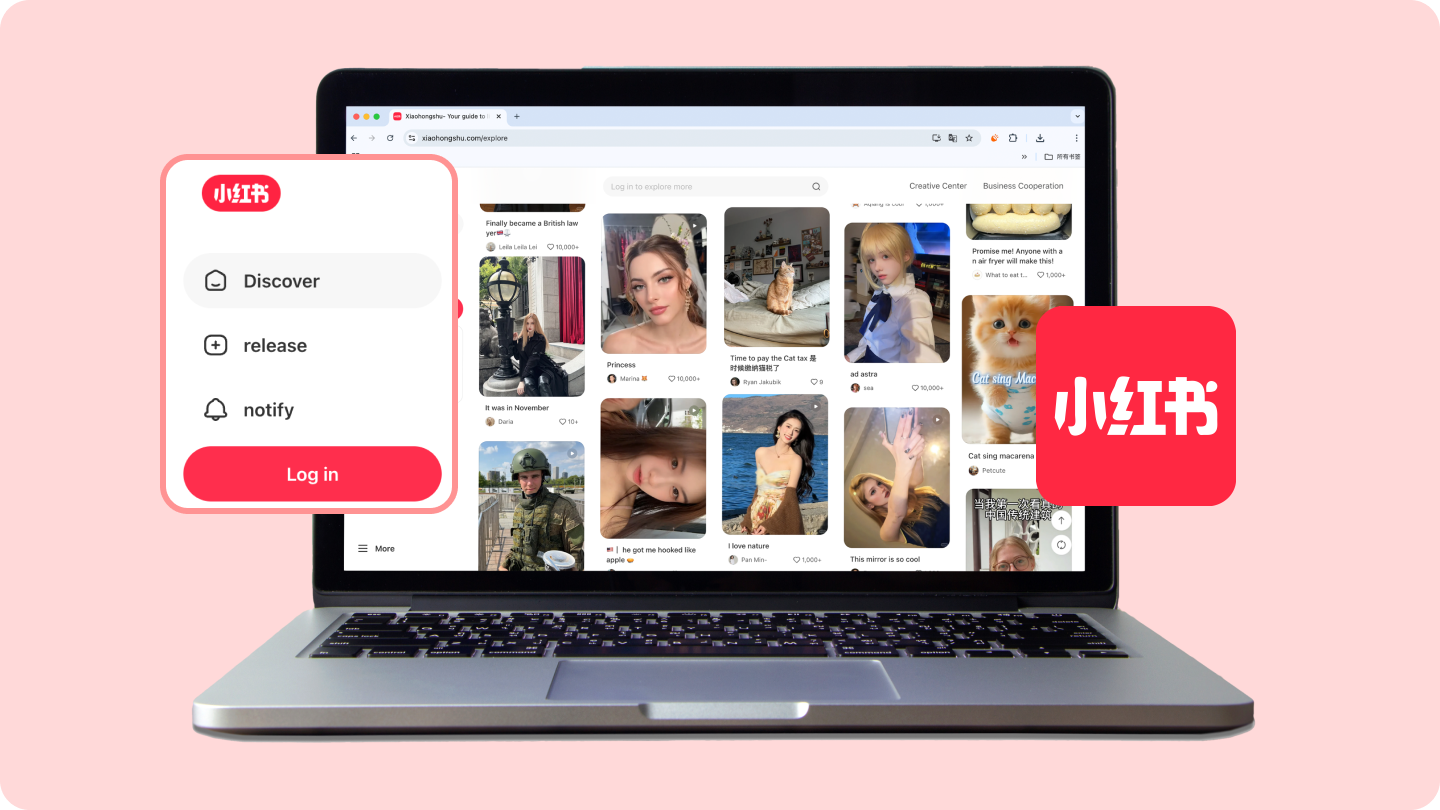
Little Red Book Marketing
How to use Little Red Book (Xiaohongshu) for brand building in China — content strategy, KOL partnerships, organic growth, and what works for foreign brands.

WeChat for Foreign Brands
Official Accounts, Mini Programs, WeChat Pay, and CRM — how foreign brands use China's super-app for marketing, sales, and customer engagement.

Douyin Marketing
China's version of TikTok — short video strategy, Douyin e-commerce, livestream selling, and paid advertising options for foreign brands.
Weibo Marketing
China's public social media platform — how Weibo fits into a brand's China strategy, content formats, advertising options, and when it makes sense.
China influencer marketing glossary
Tell us about your brand and your goals. We will assess which platforms and influencer tiers make sense for your product, and put together a campaign plan with realistic budgets — no obligation, no generic pitch decks.